
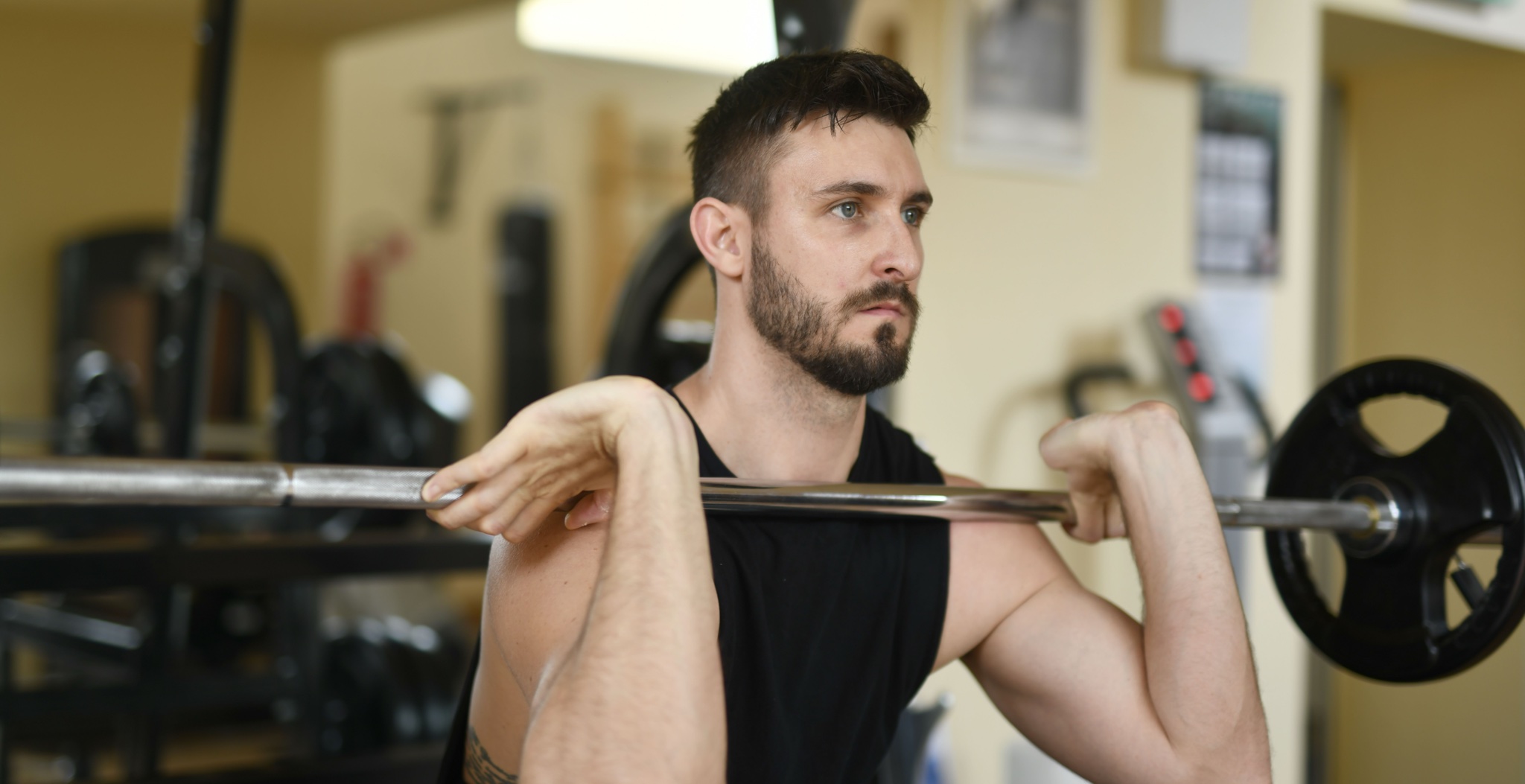
Camera-Based Form Coaching with Motion and Pose Analysis for a Strength Studio Franchise
Let's Connect
Overview
What we built
A 35-studio strength-training franchise had one coach watching up to twelve lifters at once, and form errors on squats and deadlifts were going uncorrected for whole sessions. We put a camera and a pose-estimation model in every bay so coaches see exactly where to step in.
In plain terms: small-group classes worked well for energy and community, but not for supervision. A single coach watching up to twelve members lifting at the same time could not catch every form error on every rep, so mistakes on squats and deadlifts often ran uncorrected for a whole session. Rep counts came from members self-reporting their own sets, which was unreliable, and nobody had an objective record of how they were actually progressing. New-joiner injuries and early cancellations were both climbing across the franchise's studios.
We built a camera-based motion and pose analysis system for each lifting bay: a pose-estimation model tracks joint angles through every rep, counts sets automatically, and shows colour-coded form flags on the bay's display so a coach knows exactly where to look. Post-session summaries with rep quality and load progression sync to the member app, and studio-level data rolls up to the franchisor. Rep counts matched coach manual counts with 96% accuracy in the 4-studio pilot, form corrections delivered per class rose 2.4x, six-month member retention improved from 61% to 71% in equipped studios, and all 35 studios were live within 8 months of that first pilot.
The Problem
One coach, twelve lifters
The franchise's small-group model put up to twelve members lifting at once under a single coach's supervision. That ratio worked for running a class, but not for catching every mistake: a coach could only watch one bay at a time, and a form error on a squat or deadlift in a bay they were not looking at could run for the rest of the session.
Rep counts came from members themselves, called out or logged after the fact, and were unreliable by nature. Without a dependable count, neither members nor coaches had an objective record of how a lifter's numbers were actually moving over weeks or months, so progress was mostly a feeling rather than something anyone could point to.
The consequences showed up in the numbers the franchise tracked at network level. New-joiner injuries were trending upward, and so were early cancellations, both signals of a class experience that was not catching problems early enough to keep new members safe, confident and coming back.
One coach, many lifters
A single coach supervised up to twelve members lifting simultaneously, so a form error in one bay could go unnoticed while the coach was watching another.
Uncorrected form errors
Mistakes on squats and deadlifts went uncorrected for whole sessions whenever a coach's attention was elsewhere in the room.
Unreliable rep counts
Rep counts were self-reported by members, leaving no dependable record for a coach or the member to check progress against over time.
Rising new-joiner injuries
New-joiner injuries and early cancellations were both trending upward, suggesting form issues were going uncaught for exactly the members most at risk.
What it was costing them
Every uncorrected form error was a rep closer to an injury, and the franchise was watching both new-joiner injuries and early cancellations climb at the same time. Self-reported rep counts meant members had nothing solid to measure progress against, which weakened the case for staying. A coach already supervising up to twelve members had no way to tell where their attention would matter most.
The Solution
Real-time pose feedback system
We built a camera-based motion and pose analysis system for each lifting bay, rather than asking a coach to be in more places at once. A pose-estimation model tracks joint angles through every rep a member performs, giving the bay an objective read on form without any wearable or extra step from the lifter.
The system counts sets automatically, replacing self-reported numbers with a dependable record, and surfaces colour-coded form flags on the bay's display in real time. That turns the coach's attention into a directed resource: instead of scanning the whole room and hoping to catch the right moment, they can see which bay needs them right now.
Post-session summaries with rep quality and load progression sync to the member app, so lifters get an objective record of their own progress for the first time. Studio-level dashboards roll the same data up to the franchisor, giving the network a view across all its studios rather than one class at a time.
Key decisions
Put a camera in every bay
Rather than adding staff, we equipped each lifting bay with its own camera and pose-estimation model, so objective form tracking did not depend on a coach's attention span.
Flag form, do not replace coaching
Colour-coded flags direct a coach to the bay that needs them most, keeping the coaching relationship intact while removing the guesswork of where to look.
Automate rep counting
Set counting moved from self-reported numbers to the pose-estimation model, giving members and coaches a dependable count to build a record on.
Sync progress to the member app
Post-session summaries covering rep quality and load progression sync automatically to the member app, giving lifters an objective record of their own progress.
Roll data up to the franchisor
Studio-level dashboards feed into a franchisor view, so the network can see how equipped studios are performing rather than relying on anecdote.
Measurable Impact
What changed after launch
The system gave coaches exactly what they were missing: a reliable signal for where to look. Rep counts matched coach manual counts with 96% accuracy during the 4-studio validation pilot, and once flags directed attention, form corrections delivered per class rose 2.4x. Coaches were no longer guessing which bay needed them.
Members noticed the difference too. Six-month retention improved from 61% to 71% in equipped studios compared with unequipped ones, and the rollout itself moved fast: all 35 studios were live on the system within 8 months of that first pilot.
Form monitoring
One coach watching up to twelve lifters
Every bay tracked by its own pose model
Rep counting
Self-reported and unreliable
96% accurate against coach manual counts
Coach corrections
Limited by one coach's attention
Delivered 2.4x more often per class
Member retention
61% six-month retention
71% in equipped studios
Headline results
Rep-count accuracy of 96% against coach manual counts during the 4-studio validation pilot
Form corrections delivered per class rose 2.4x once flags directed coach attention
Six-month member retention improved from 61% to 71% in equipped studios versus unequipped
All 35 studios live on the system within 8 months of the first pilot
Tech & Tools Used
What powered the build
Every tool below earned its place in this engagement. Here is the part each one played.

Python
Glue language across the bay pipeline, connecting camera capture, the pose model and the messaging that feeds the coach's display and the member app.

PyTorch
Trains the pose-estimation model that reads joint angles from each lifter's rep and turns them into form flags and rep counts.

MediaPipe Pose
Extracts joint keypoints from each camera feed frame by frame, the raw signal the pose model uses to track form through every rep.

OpenCV
Handles video capture and preprocessing from each bay's camera before frames reach the pose model.

NVIDIA Jetson Orin
Runs pose inference locally in each lifting bay, so form flags and rep counts appear on the display without a network round trip.
TensorRT
Optimises the pose model to run fast enough on the bay's edge hardware to flag a form issue within the rep itself.

Node.js
Runs the services that turn pose model output into rep counts, form flags and the post-session summaries synced to the member app.

PostgreSQL
Stores rep counts, form-flag history and load progression for every member, the record that studio and franchisor dashboards draw from.

React Native
Powers the member app where lifters see their post-session summaries, rep quality and load progression.
AWS S3 + IoT Core
Handles connectivity from each bay's camera hardware and stores session video and summary artefacts across the franchise's studios.
Ready to Build your Fitness & Wellness Business with Motion & Pose Analysis
Ask Byte
Ask Byte
Typically replies instantly
just Now
Hi! I'm OrganByte's assistant. How can I help you today?
AI-generated content may be incorrect