
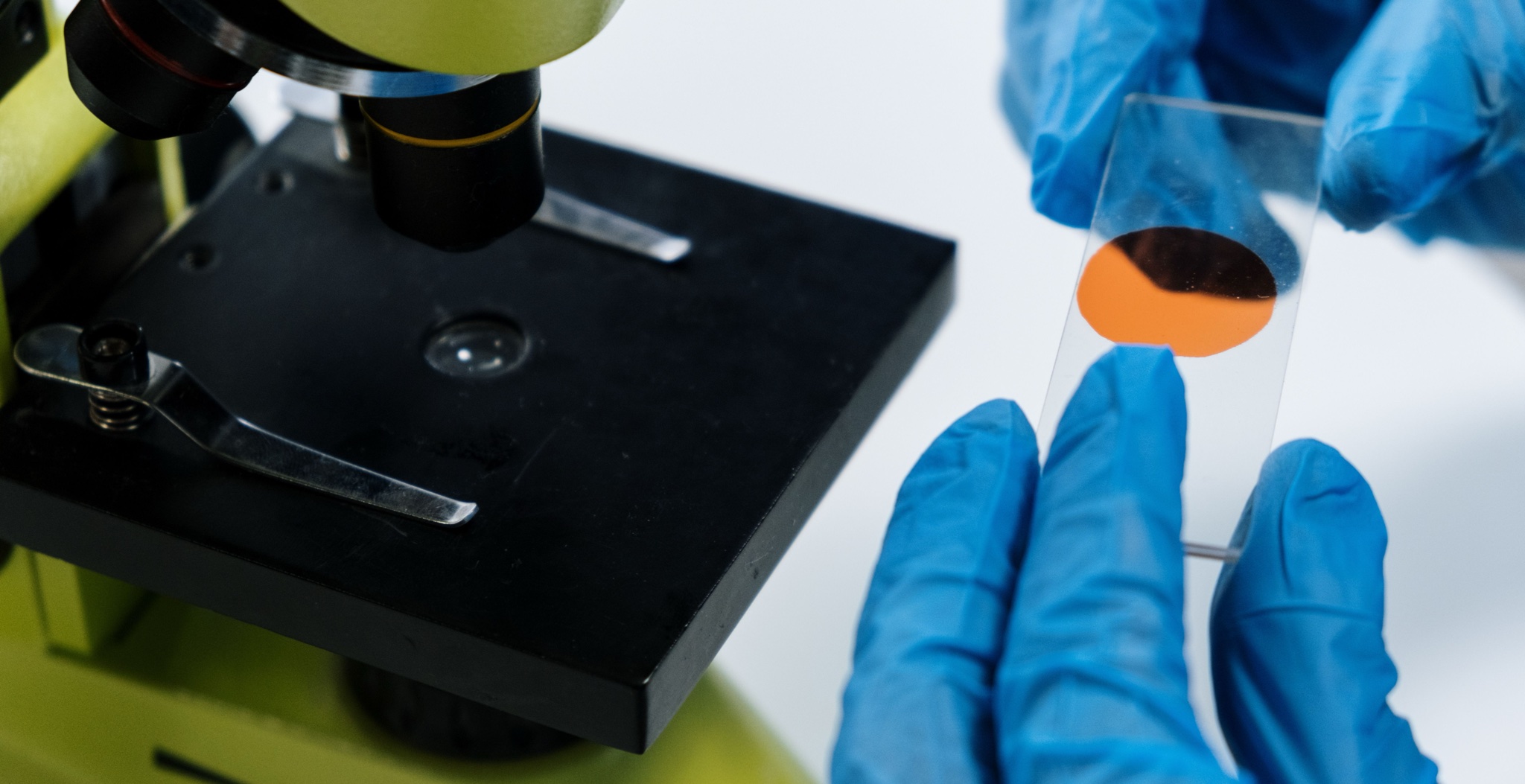
AI Digital Pathology Slide Analysis Workflow for a Regional Lab Network
Let's Connect
Overview
What we built
A 12-lab pathology network had glass slides couriered between labs just to get a subspecialist opinion, and turnaround on routine cases had stretched past a week. We built a networked digital pathology platform that routes cases electronically instead of by courier.
In plain terms: when a case needed a subspecialist's eyes, the physical glass slide had to travel by courier from one lab to another, which took time before anyone even started reading it. Turnaround on routine cases had stretched past a week, and audit sampling found grading variability between readers that nobody had a shared way to address. Digital slide scanners already sat in four of the network's labs, but with no shared workflow connecting them, they were doing little more than the microscopes they replaced.
We built a network-wide digital pathology platform: scanned whole-slide images flow into a central archive, a regulator-cleared tissue-analysis engine pre-screens cases and highlights regions of interest, and a unified worklist sends each case to the right subspecialist wherever they are, with pathologist sign-off required on every AI-assisted case. Routine case turnaround fell from 8 days to 3, courier shipments between labs dropped 70%, the six-week backlog at the two busiest labs cleared within 10 weeks, and second-read agreement improved by 9 percentage points.
The Problem
Slide backlog and courier delays
The network's 12 labs shared a working method that had barely changed with the arrival of digital scanning: when a case needed a subspecialist's read, the glass slide itself travelled by courier from the originating lab to wherever that subspecialist worked. Every mile of that journey was time the case spent in transit rather than under a microscope.
Routine case turnaround, unaffected by any courier trip, still stretched past a week, a sign that the backlog problem went beyond just the cases needing a second lab. Audit sampling added another concern: grading variability between readers was notable enough to raise questions about consistency across the network, questions nobody had a shared process to answer.
The network had already invested in digital slide scanners at four of its labs, technology that should have made courier trips unnecessary. But with no shared workflow connecting those scanners to the rest of the network, the investment sat outside daily practice, and glass slides kept travelling the old way regardless.
Courier-based subspecialist reads
Glass slides travelled by courier between labs whenever a case needed a subspecialist's opinion, adding transit time before any reading could begin.
Routine turnaround past a week
Turnaround on routine cases stretched past a week even without a courier trip involved, pointing to a broader backlog problem.
Grading variability
Audit sampling showed notable grading variability between readers, with no shared process across the network to identify or address it.
Scanners outside the workflow
Digital slide scanners purchased at four labs sat outside any shared workflow, so the network gained little from technology it had already bought.
What it was costing them
Every courier trip added time to cases that were often already time-sensitive, and turnaround past a week on routine cases meant the backlog kept building even without transit delays. Grading variability between readers, left unaddressed, meant the network could not point to one consistent standard of review. And the scanners already purchased at four labs were producing little return while glass slides kept travelling between labs the old way.
The Solution
Networked digital pathology platform
We built a network-wide digital pathology platform so a case never has to travel physically to reach the right reader again. Scanned whole-slide images flow into a central archive as soon as a slide is scanned, making the case available to any subspecialist in the network the moment it is ready, regardless of which lab produced it.
An integrated regulator-cleared tissue-analysis engine pre-screens each case and highlights regions of interest before a pathologist opens it, and a unified worklist routes every case to the right subspecialist by expertise rather than by which lab happens to have the physical slide. Every AI-assisted case still requires pathologist sign-off, keeping the diagnostic decision with the reader.
Dashboards track turnaround and second-read agreement across all 12 labs, giving the network a shared view of consistency that audit sampling alone could not provide. The platform also finally put the scanners already purchased at four labs to full use, since scanning is now the entry point to the whole workflow rather than a parallel process.
Key decisions
Route cases digitally, not physically
We replaced courier-based slide transport with a central archive that any subspecialist in the network can reach the moment a case is scanned.
Pre-screen before pathologist review
A regulator-cleared tissue-analysis engine highlights regions of interest ahead of time, so a pathologist opens each case with attention already directed.
Route by expertise, not location
The unified worklist sends each case to the right subspecialist regardless of which lab holds it, removing location as a factor in who reads what.
Keep sign-off with the pathologist
Every AI-assisted case still requires pathologist sign-off, so the engine supports the read without replacing the diagnostic decision.
Put existing scanners to work
The platform connected the digital slide scanners already purchased at four labs into one shared workflow instead of leaving them outside it.
Measurable Impact
What changed after launch
Removing physical transport changed the pace of the whole network. Routine case turnaround fell from 8 days to 3, and slide courier shipments between labs dropped 70% once digital case routing replaced physical transfers. Cases now move at the speed of the network rather than the speed of a courier.
The backlog and the consistency question both moved too. The six-week review backlog at the two busiest labs cleared within 10 weeks of rollout, and second-read agreement on graded cases improved by 9 percentage points under quarterly audit, giving the network real evidence of a more consistent standard of review.
Case turnaround
8 days for routine cases
Down to 3 days
Slide transport
Physical courier shipments between labs
Down 70% with digital case routing
Review backlog
Six-week backlog at the busiest labs
Cleared within 10 weeks
Second-read agreement
Baseline under prior grading practice
Improved by 9 percentage points
Headline results
Routine case turnaround cut from 8 days to 3 across the network
Slide courier shipments between labs down 70% after digital case routing replaced physical transfers
Six-week review backlog at the two busiest labs cleared within 10 weeks of rollout
Second-read agreement on graded cases improved by 9 percentage points under quarterly audit
Tech & Tools Used
What powered the build
Every tool below earned its place in this engagement. Here is the part each one played.

Python (FastAPI)
Serves the integration layer between the archive, the tissue-analysis engine and the unified worklist, handling case routing requests.
OpenSlide
Reads and processes the whole-slide image formats produced by the network's scanners so they can be viewed and analysed consistently.
Orthanc (DICOM)
Handles the structured imaging data alongside the whole-slide archive, keeping case metadata consistent across the network.

RabbitMQ
Queues newly scanned slides for pre-screening so the tissue-analysis engine works through cases as they arrive without a backlog forming behind it.

PostgreSQL
Stores case metadata, worklist assignments and sign-off records, giving each case a traceable path from scan to pathologist decision.

Redis
Caches worklist state so the unified queue stays responsive as cases from all 12 labs are routed to subspecialists.

Next.js
Powers the unified worklist and the dashboards tracking turnaround and second-read agreement, delivered in the browser to every lab.

MinIO
Provides the central archive storage for scanned whole-slide images across the network.

Docker
Packages the platform's services into consistent containers so every lab in the network runs the same stack.

Grafana
Renders the dashboards tracking turnaround and second-read agreement across all 12 labs.
Ready to Build your Medical Diagnostics & Pathology Business with Image Segmentation & Analysis
Ask Byte
Ask Byte
Typically replies instantly
just Now
Hi! I'm OrganByte's assistant. How can I help you today?
AI-generated content may be incorrect