
Three-Year Technology Roadmap for a Growth-Stage Dental Group
Let's Connect
Overview
What we built
A fast-acquiring dental group had a new technology puzzle arriving with every practice it bought. We gave it a three-year plan, one target platform stack, and a playbook that makes every future acquisition routine.
In plain terms: this 28-location dental support organisation was buying six to eight practices a year, and each one arrived running its own practice-management system, its own imaging setup and its own phones. Every deal triggered a fresh debate about what to keep, spend was scattered untracked across nine software vendors, and leadership had no shared answer to a simple question: which platforms should carry the group through its next three years of growth?
We ran a twelve-week engagement to settle that question properly. We inventoried every system across all 28 locations, scored the platforms on scalability, integration and cost, and worked through the options with clinical and operations leadership. The group left with a three-year roadmap, sequenced migration waves, a budget model, and a repeatable onboarding playbook. Bringing a newly acquired practice onto core systems now takes 10 weeks instead of roughly 9 months, and annual licensing spend fell by 14% in the first budget cycle.
The Problem
Acquisitions outpacing technology planning
The group's growth engine was acquisition, and the engine was working: six to eight new practices joined every year across the US Mountain West. But each acquisition arrived as a technology grab bag. One practice ran its imaging on one vendor, the next on another; practice-management systems multiplied; every front desk answered a different phone stack. Integration was decided deal by deal, by whoever had time, with no standard to integrate onto.
The financial picture was just as blurred. Software spend was spread untracked across nine vendors, so nobody could say what the group actually paid for its technology, let alone whether it was paying twice for the same capability. Renewals arrived and were signed, because the alternative, an unplanned migration in the middle of an acquisition year, always felt worse.
Most costly of all was the absence of a destination. Clinical and operations leaders each held a partial view of what the group needed, and with no agreed target stack, every integration decision was provisional. The organisation was growing faster than its technology thinking, and everyone involved could feel the gap widening with each deal.
Deal-by-deal integration
Every acquisition triggered its own ad hoc technology decisions, with no standard stack to land on and no playbook to follow from one deal to the next.
Multiplying platforms
Each acquired practice brought its own practice-management system, imaging setup and phone stack, so the estate grew more fragmented with every deal that closed.
Untracked vendor spend
Licensing costs were spread across nine software vendors with no consolidated view, making duplication invisible and every renewal decision a guess.
No shared destination
Leadership had no agreed answer on which platforms should carry the group through three years of growth, so long-term commitments kept being deferred.
What it was costing them
Every new acquisition compounded the problem: months of improvised integration work per practice, staff relearning systems site by site, and licensing fees flowing to nine vendors with nobody watching for overlap. Onboarding a newly acquired practice onto group systems took roughly 9 months, which meant the group was running acquired practices on disconnected systems for the better part of a year, and paying for the privilege.
The Solution
Three-year roadmap and playbook
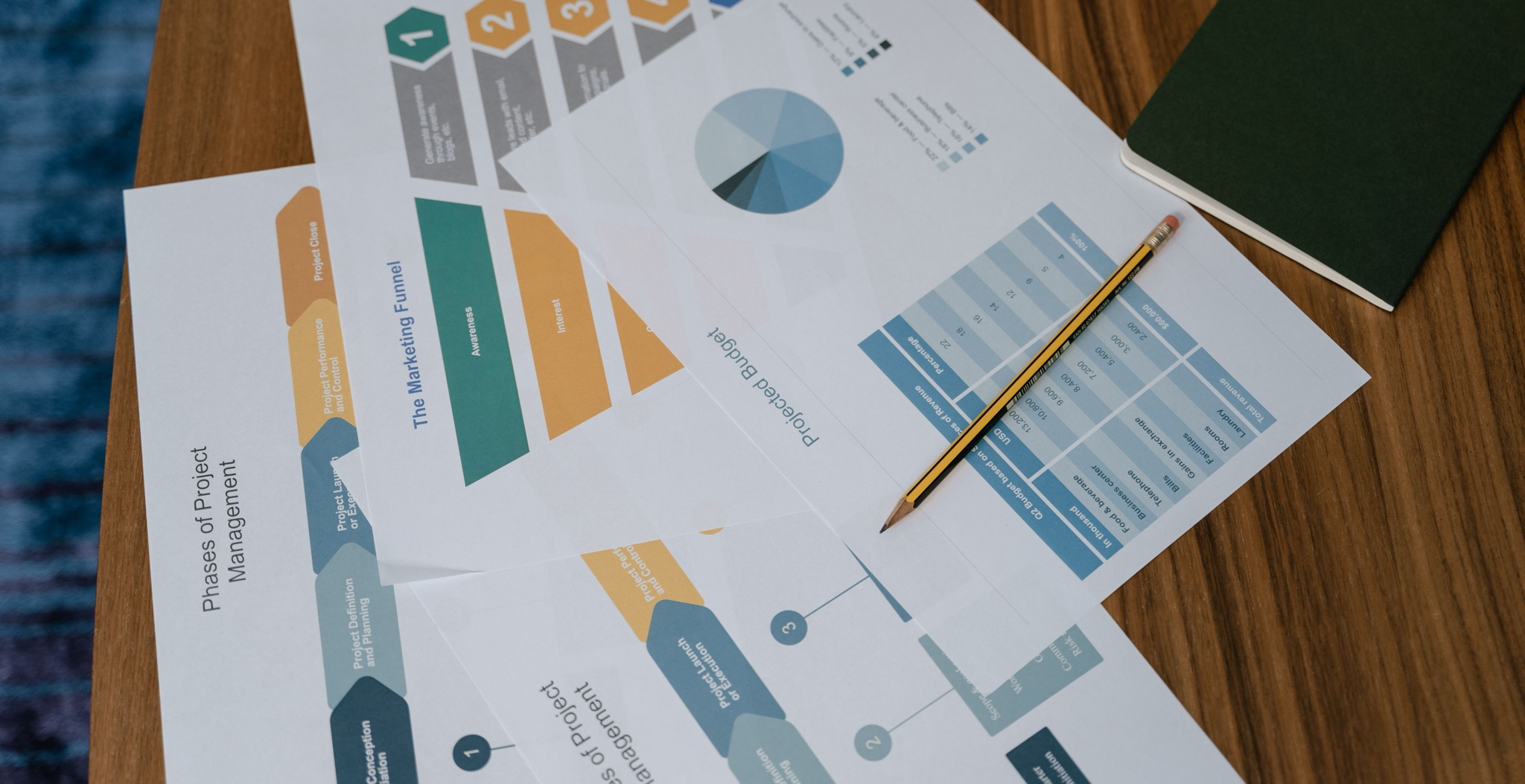
We structured the twelve-week engagement around three moves: see the whole estate clearly, score the platform options against the group's real trajectory, and leave behind a plan the board could fund in one sitting. The first move was a full systems inventory across all 28 locations, documenting every practice-management system, imaging setup and phone stack in use, who relied on it, and what it cost.
With the inventory in hand, we scored each platform on scalability, integration and cost, then brought the results into structured working sessions with clinical and operations leadership. Those sessions mattered as much as the analysis: clinicians and operators pressure-tested the target stack against how practices actually run, which is why the recommendations held up once the migrations started.
The deliverable was deliberately practical: a three-year roadmap with a target platform stack, migration waves sequenced so no practice faced two disruptive changes at once, a budget model that made the spend visible for the first time, and a technology-onboarding playbook that turns every future acquisition from a bespoke project into a repeatable process.
Key decisions
One target stack for everything
Rather than optimising system choices practice by practice, we defined a single target platform stack sized for where the group will be in three years, not where it started.
Sequenced waves, not big bang
Migrations were grouped into waves so each practice moves once, with lessons from the early waves folded into the playbook before the later ones begin.
A playbook, not a project
Acquisition onboarding was codified into a repeatable playbook, so integrating the next practice is an exercise in execution rather than a fresh round of decisions.
Budget visibility before consolidation
The budget model made all vendor spend visible first, so consolidation targets were chosen on evidence and the savings could be tracked cycle by cycle.
Leadership in the room
Clinical and operations leaders shaped the platform scoring in working sessions, which turned the roadmap from a consultant's document into a plan the group already owned.
Measurable Impact
What changed after launch
The board funded all 9 year-one roadmap initiatives in a single approval cycle, something the deal-by-deal era never allowed. Practice-management platforms were consolidated from 7 to 2 across the group within a year of the final readout, and annual software licensing spend fell by 14% in the first budget cycle as the vendor list shrank.
The playbook changed the rhythm of acquisition itself. Bringing a newly acquired practice onto core group systems now takes 10 weeks instead of roughly 9 months, so new practices start working the group's way in their first quarter. And because the roadmap covers three years, the next platform conversation starts from an agreed destination rather than a blank page.
Acquisition onboarding
Roughly 9 months of improvised, deal-by-deal integration
10 weeks following the roadmap's repeatable playbook
Platform estate
7 practice-management platforms running across the group
Consolidated to 2 within a year of the readout
Software spend
Untracked across nine vendors, duplication invisible
Modelled, visible and cut 14% in the first budget cycle
Investment decisions
Provisional calls made separately for every deal
All 9 year-one initiatives funded in one board cycle
Headline results
Time to onboard a newly acquired practice onto core group systems cut from roughly 9 months to 10 weeks using the roadmap's playbook
Practice-management platforms consolidated from 7 to 2 across the group within a year of the final readout
Annual software licensing spend reduced by 14% in the first budget cycle through vendor consolidation
All 9 year-one roadmap initiatives funded and started on schedule after a single board approval cycle
Tech & Tools Used
What powered the build
Every tool below earned its place in this engagement. Here is the part each one played.

Miro
Hosted the structured working sessions where clinical and operations leadership scored the platform options and agreed the target stack together.

Airtable
Held the full systems inventory, one record per application per location, including owners, contracts and costs gathered during the audit.

Lucidchart
Mapped the current technology estate and the target-state architecture, showing exactly how each acquired practice's systems converge onto the group stack.
Microsoft Power BI
Powered the budget model and vendor-spend dashboards that made duplicated licensing visible and let leadership track savings through each budget cycle.
Smartsheet
Carried the migration-wave schedule, tracking each practice's move onto the target stack with dependencies and owners visible to the whole programme.

Jira
Manages the year-one roadmap initiatives as delivery backlogs, keeping every funded workstream attached to a named owner and a visible status.

Confluence
The permanent home of the roadmap, the platform scoring rationale and the technology-onboarding playbook every future acquisition now follows.
Google Workspace
The day-to-day collaboration layer for the engagement, from stakeholder interview notes to the shared documents reviewed in leadership working sessions.
Ready to Build your Dental & Orthodontics Business with Technology Strategy & Roadmap
Ask Byte
Ask Byte
Typically replies instantly
just Now
Hi! I'm OrganByte's assistant. How can I help you today?
AI-generated content may be incorrect